When Vision Is At Risk,Guesswork Isn't AnOption
Detect Eye Infections Accurately with:


Ocular Infections in India: The Diagnostic Gap

High Burden
- ~1.3 million Indians suffer from bilateral corneal blindness¹
- Ocular infections remain a leading preventable cause of corneal blindness²

Diverse Pathogens
- Bacterial, fungal, viral, and parasitic etiologies
- Mixed and rare pathogens frequently missed

Low Diagnostic Yield
- Low pathogen load and limited sample volumes
- Viral and fastidious organisms often undetected

Diagnostic Limitations
- Empirical therapy before testing is common
- Limited sample volume reduces detection sensitivity
1. Parihar, M. G. J. (2024). Corneal blindness eye banking: Current status & challenges ahead. Annals of the National Academy of Medical Sciences (India), 60, 241-243.
2. Vashist, P., Gupta, N., Tandon, R., Gupta, S., & Sreenivas, V. (2013). Burden of corneal blindness in India. Indian Journal of Community Medicine, 38(4), 198.

The Only Comprehensive Test for Eye Infections
Ophthal-NGS is a next-generation sequencing (NGS) based diagnostic test designed for comprehensive detection of ocular pathogens. By analysing directly from ocular samples, Ophthal-NGS delivers an unbiased, culture-free view of infectious agents, enabling accurate diagnosis even in complex cases.
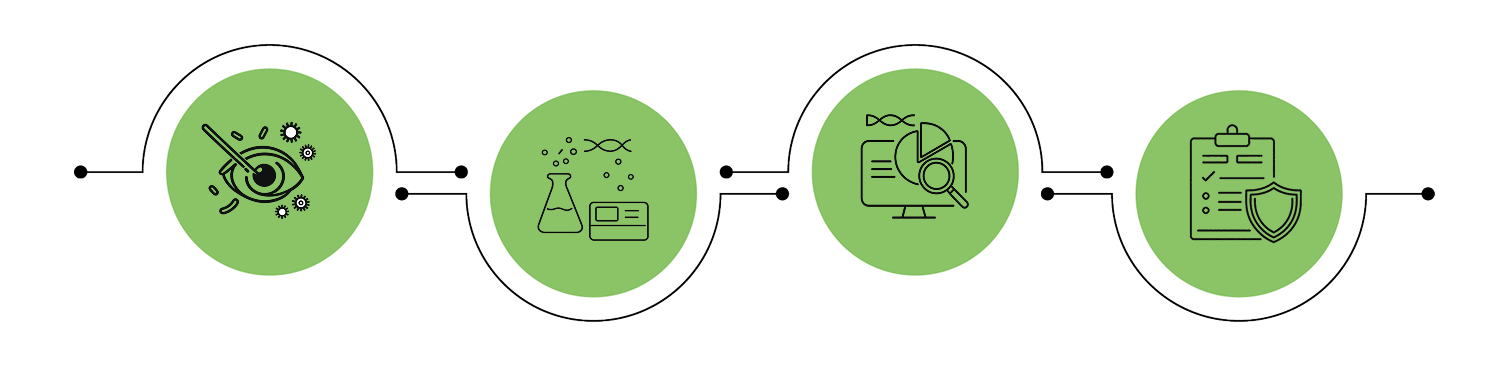
Broad-Spectrum Pathogen Detection
From a single sample, Ophthal-NGS can simultaneously detect:





Scan for complete list of pathogens detected

Sample Requirements
Ophthal-NGS is optimised for low sample volumes, making it suitable even for delicate or critical cases.
Types of Samples We Accept
- Aspirated pus (500 µl)
- Aqueous humour (≥100 µl)
- Vitreous humour (500 µl – 2 ml)
- Corneal button
- Ocular tissue
Sample Notes
- Sterile container or sterile syringe required
- Swabs are not accepted for extra-ocular sample type
How Ophthal-NGS Works
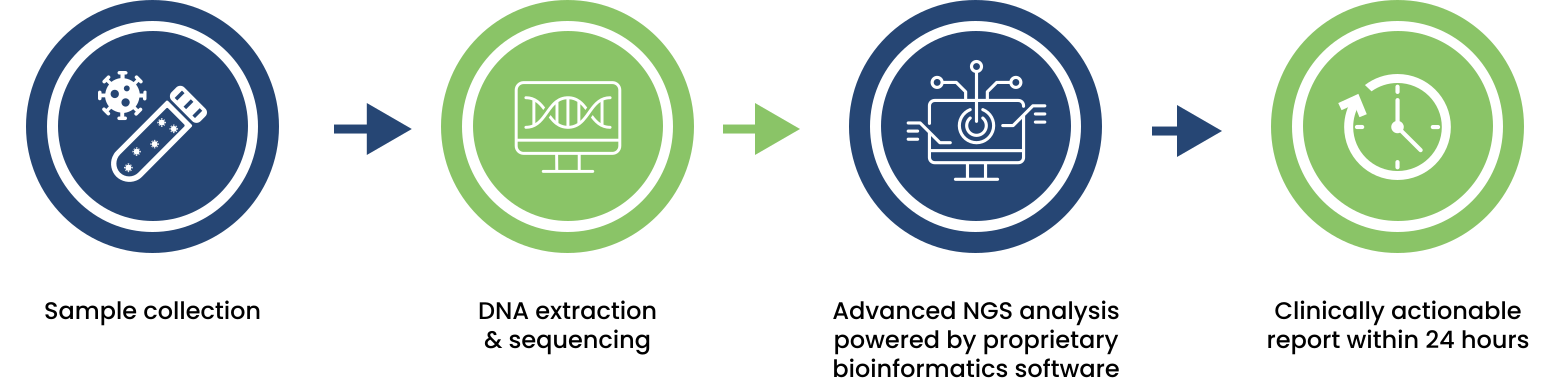
Designed to integrate seamlessly into existing clinical workflows.
Clinical Applications
Ophthal-NGS supports diagnosis across a wide spectrum of ocular infections, including:
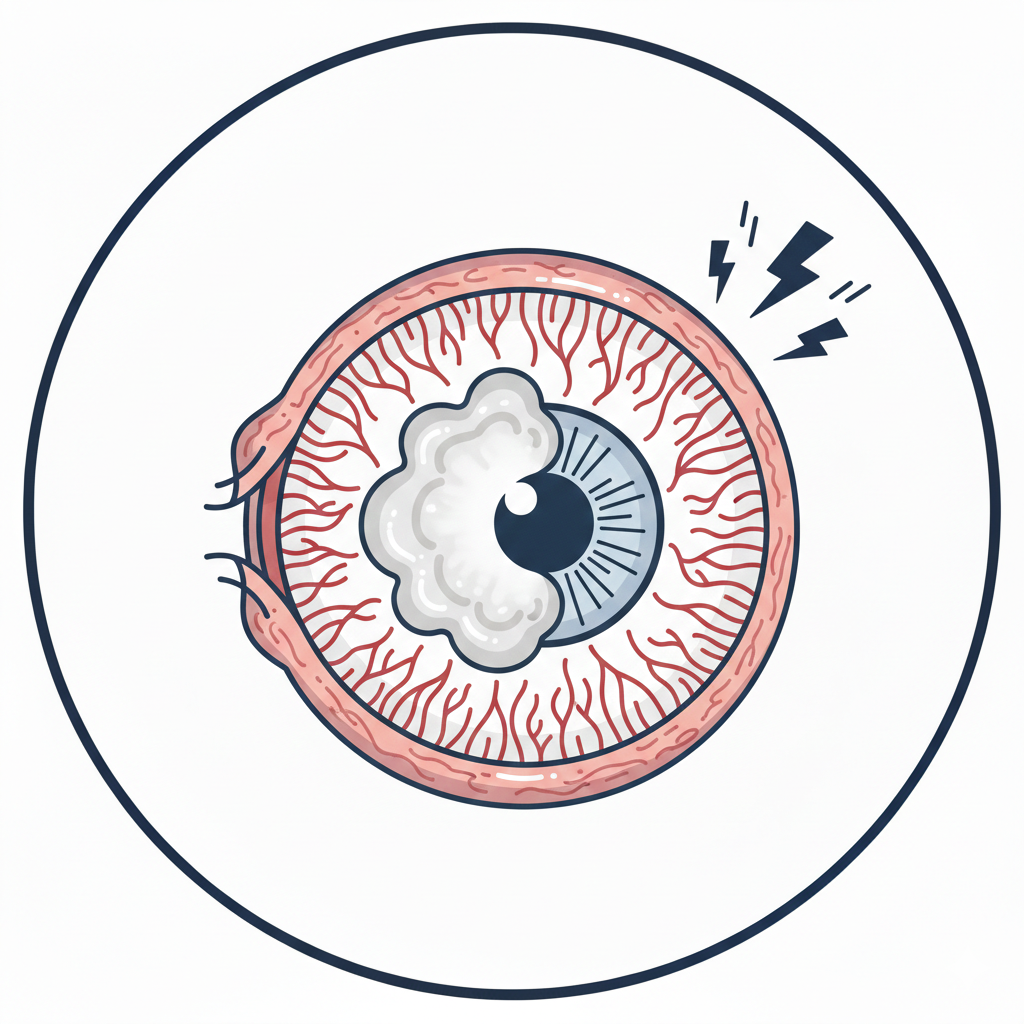 Infectious Keratitis
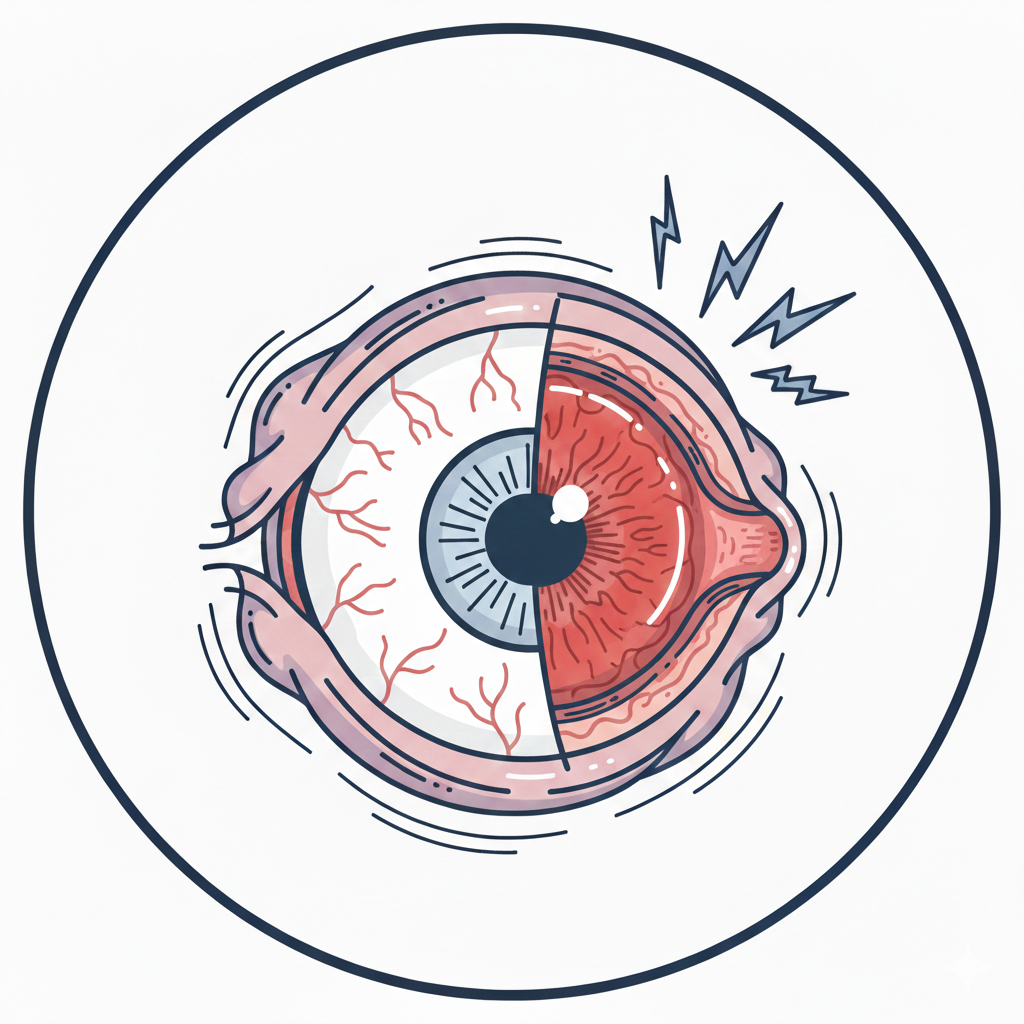 Uveitis
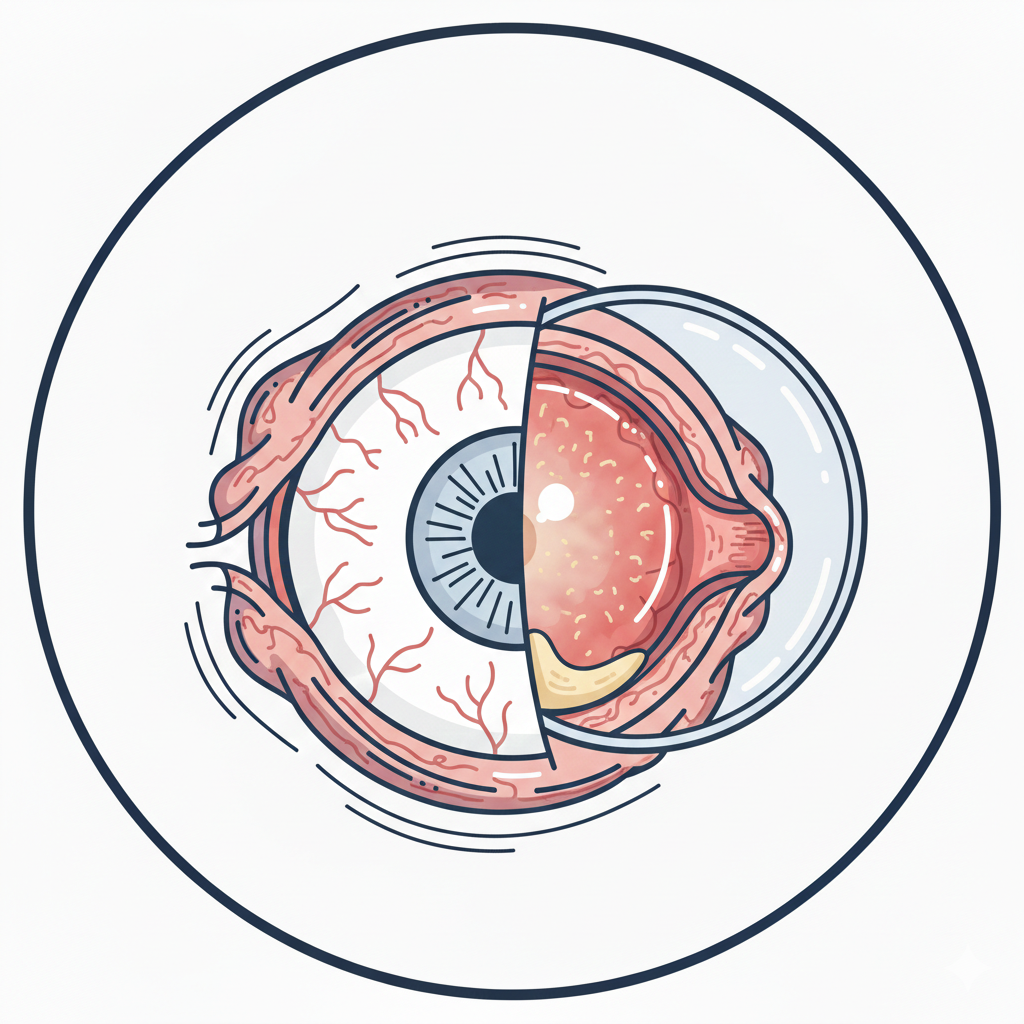 Endophthalmitis
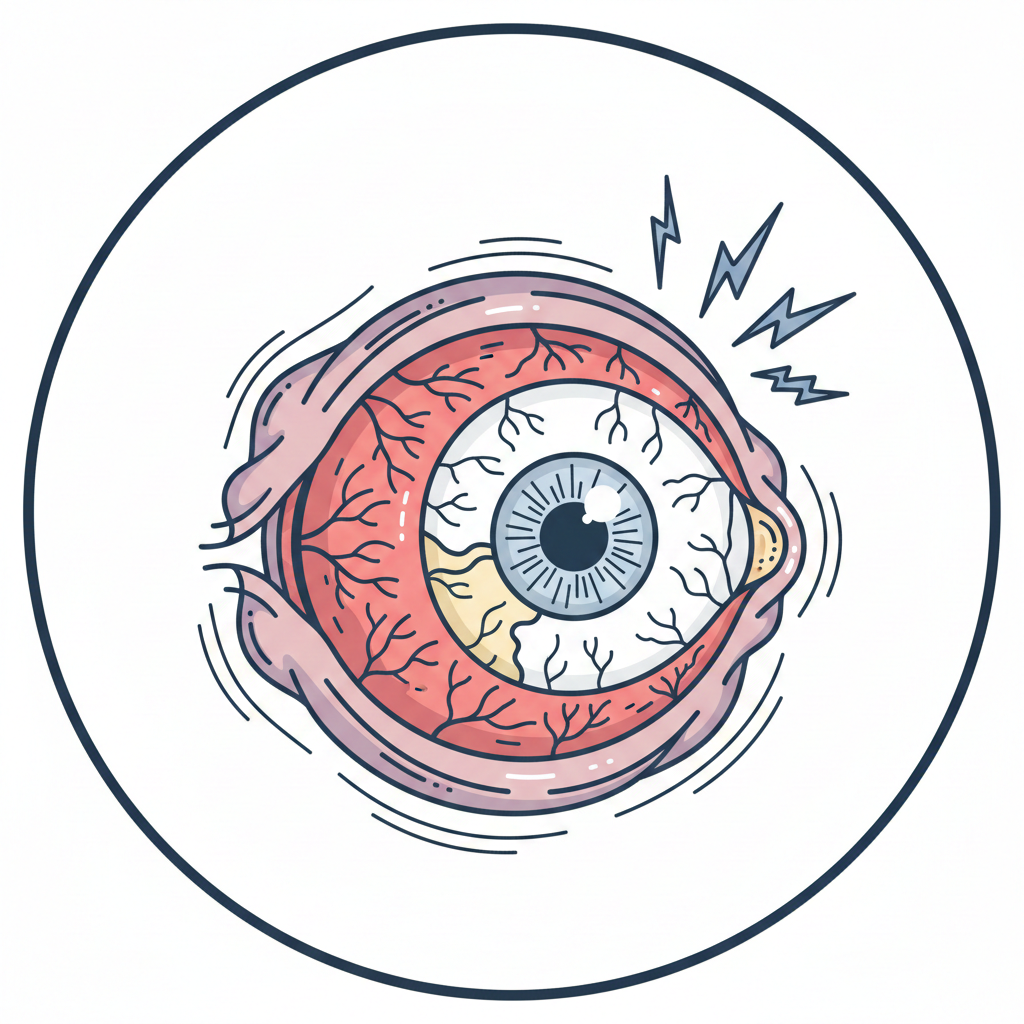 Panophthalmitis
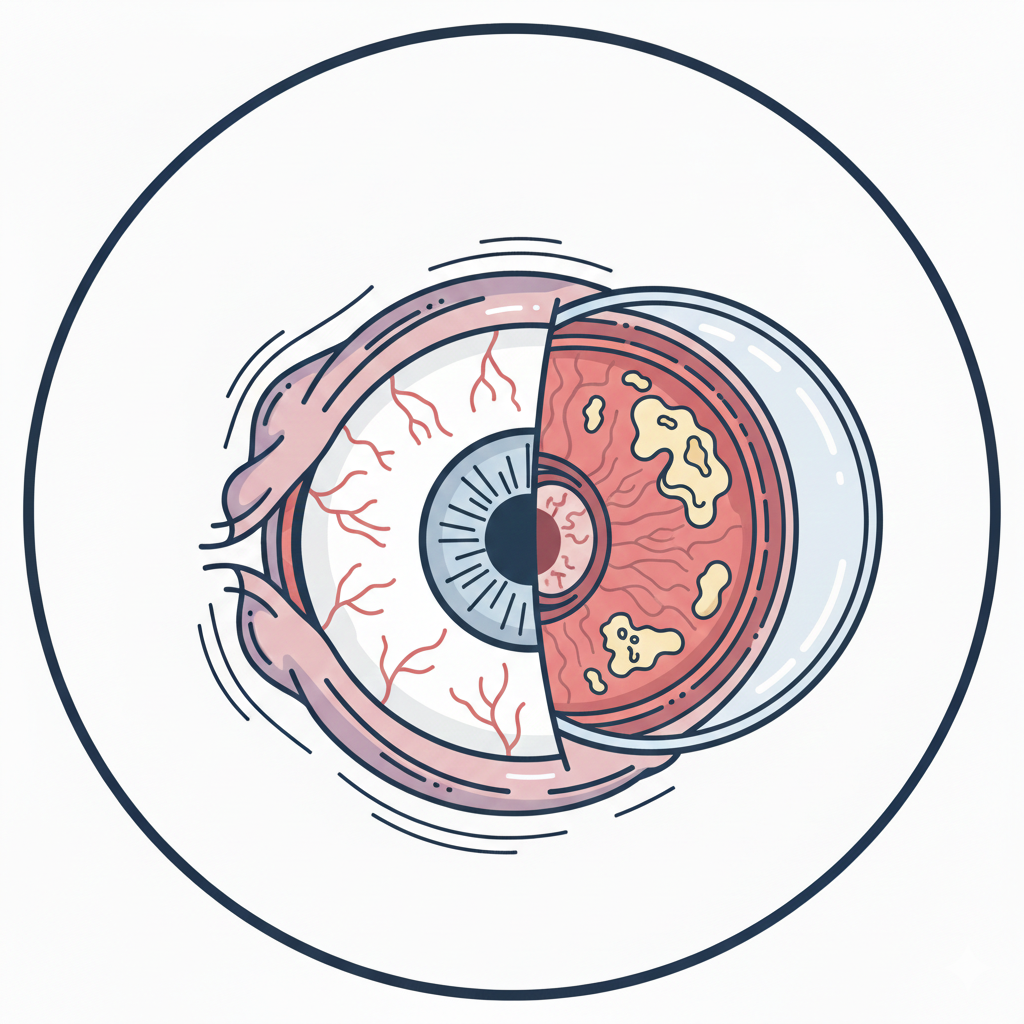 Retinitis
Particularly valuable in refractory, atypical, or culture-negative cases.
What Makes Ophthal-NGS the Best
Parameter
Culture

Evidence-Based Diagnostics for Doctors

Clinical Impact
- Culture-free infection detection
- Bacteria, fungi, viruses detection in one single test
- Co-infection & ARG detection
- Faster treatment decisions (~24 hours)

Key Advantages
- Enables detection in low-volume samples
- Reliable co-infection insights
- Actionable AMR guidance
- Reduced culture dependence

Strategic Advantage
- Differentiates your centre with advanced genomics-based diagnostics
- Supports complex & referral-level cases
- Enable antimicrobial stewardship
From Uncertainty to Clarity, In One Test

Complete infection insight from a single sample
Clear answers even when cultures fail
Faster, evidence-based treatment decisions
Designed for complex, sight-critical cases